
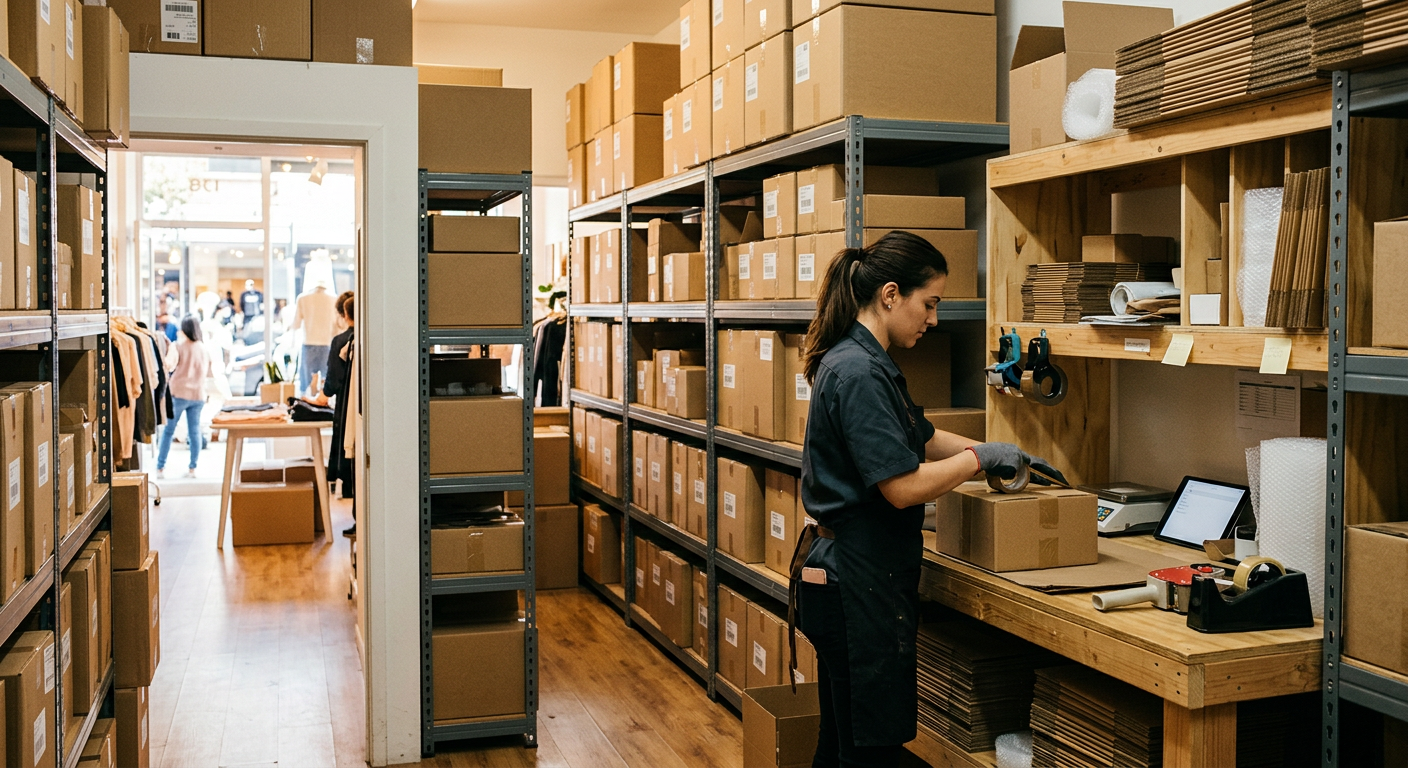
Retail has changed. Many businesses now sell through a physical store, their own website, marketplaces such as Amazon, and wholesale accounts all at once. Each channel brings different risks, and an insurance program built for a single storefront often leaves gaps.
This guide covers the main exposures for Canadian retailers and e-commerce businesses and the coverage that addresses them.
Product liability: you're responsible even if you didn't make it
If a product you sell injures someone or damages property, you can be named in a claim alongside the manufacturer. That's true even if you only resell it. Your exposure increases when:
- You import products directly, especially from manufacturers outside Canada
- You sell under your own brand or private label
- You modify, repackage or assemble products
- The manufacturer is small, uninsured or difficult to pursue
Product liability is typically part of your commercial general liability (CGL) policy, but underwriters will want to know what you sell, where it comes from and how much you import. Marketplaces may also require proof of coverage with a minimum limit before you can sell.
Inventory: insure it wherever it sits
Inventory is often a retailer's largest asset. Make sure your property policy covers stock:
- At your store and warehouse
- At third-party fulfilment or logistics centres
- At trade shows and pop-up locations
- During seasonal peaks, when you may hold far more stock than usual
Valuation matters too. Ask whether your stock is insured at cost or selling price, and keep your declared values up to date. Underinsurance can reduce a claim payment. See our guide to 90% coinsurance for how that works.
Shipping and goods in transit
Standard property policies often limit or exclude goods in transit. If you ship to customers or receive large shipments from suppliers, consider:
- Transit or cargo coverage for goods being shipped by you or a carrier
- Ocean and international cargo coverage for imported stock
- Reviewing carrier liability limits, which are usually far lower than the value of what you're shipping
Physical stores: customers on your premises
Customer slips, trips and falls are among the most common retail claims. CGL covers injuries to customers and visitors, and your lease will usually require it with a specific limit. Good housekeeping, clear walkways and incident reporting all help keep claims and premiums down.
Also consider crime coverage for employee theft and cash, and equipment breakdown for refrigeration, HVAC and point-of-sale systems.
Online sellers: cyber and business interruption
If you process card payments or store customer information, you face cyber risk. A breach can trigger notification costs, PCI assessments and claims from customers. A website outage during a busy sales period can also cost a lot of revenue. A cyber policy can cover both. Read what cyber insurance covers for details.
Wholesale and distribution
If you distribute to other retailers, review your contracts. Customers may require additional insured status, specific limits or vendor endorsements. Your warehouse exposures, including racking, forklifts and seasonal staff, also need attention.
Consolidating your program
Retailers that have grown location by location often end up with several policies from different insurers, with different renewal dates and inconsistent limits. Consolidating into a single program can reduce cost, close gaps and simplify administration. See how we did that for a national specialty retailer, or visit our retail and wholesale page.