Commercial Property Insurance for High-Value Grow Facilities
Tightly-regulated, high-value grow facilities are sophisticated operations. With advanced lighting systems, climate controls, irrigation setups, and technology-wired across the property, even basics such as water systems can be worth millions in investment. That’s why commercial property insurance for high-value grow facilities is more than a checkbox for high-value grow facilities; it’s a cornerstone of risk management. This guide from Summit Insurance explains what this kind of insurance covers, where traditional policies tend to fall short, and how growers can focus on rationally protecting their operations without getting bogged down in technical terms.
What Makes Grow Facilities “High-Value” Properties?
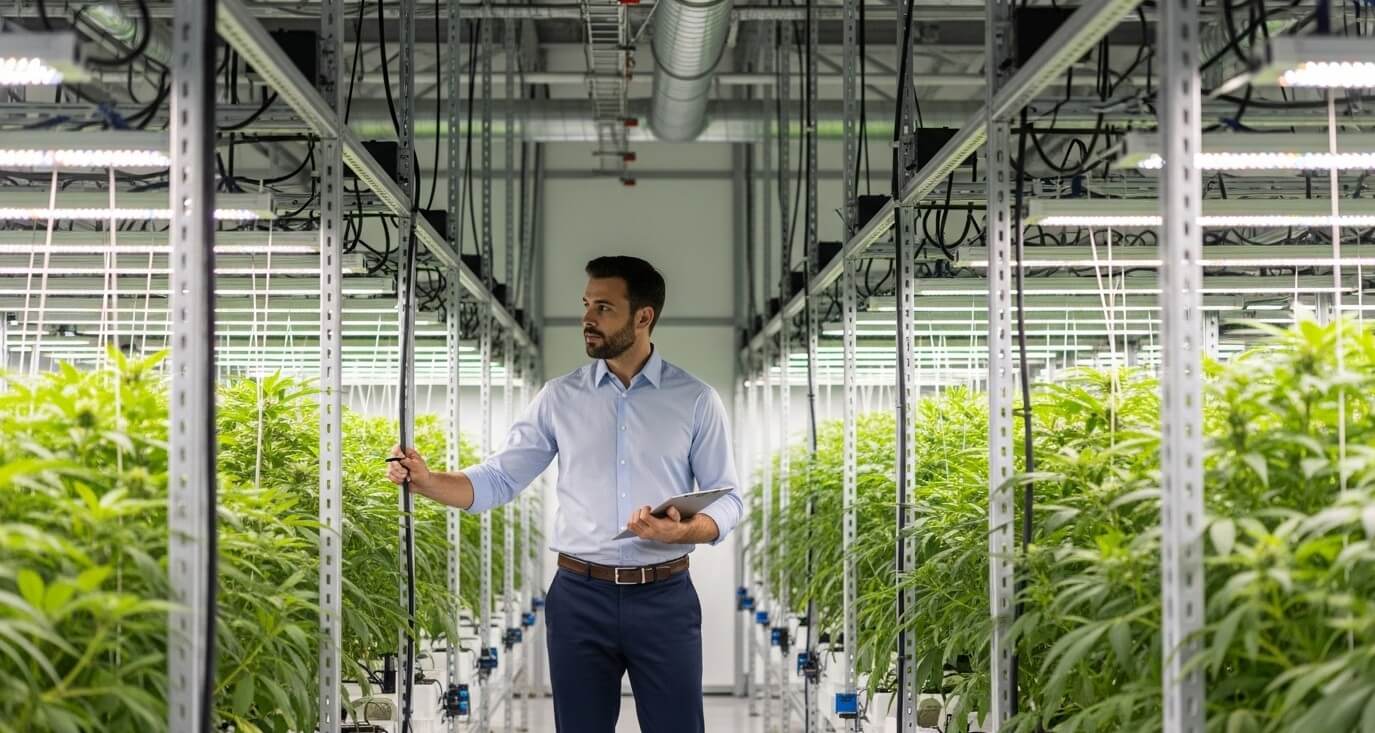
But grow facilities aren’t like other commercial buildings, in terms of their use or the risks they pose. They typically house:
- High-capacity electrical and lighting systems
- Climate control and ventilation equipment
- Water filtration and irrigation infrastructure
- Specialized interior build-outs
These features add greatly to the replacement value of the property. Those elements may be underappreciated by standard commercial property, unless a policy is written tailored for cultivation environments.
Protect belongings, liability issues, and more with renters insurance!
Understanding Commercial Property Insurance
In essence, commercial property insurance covers a business’s physical place of work and its contents from covered risks. For grow operations, this typically covers losses from fire, certain forms of natural catastrophe, vandalism, and/or accidents involving equipment.
What’s usually included
- Building coverage:
Walls, roofing, and permanent fixtures - Business personal property:
Equipment, tools, and installed systems - Permanent improvements:
Electrical upgrades, HVAC, and custom interiors
However, how these items are valued is just as important as whether they’re included.
Read more: Whats Tenant Insurance
Why Standard Policies Often Miss the Mark
A lot of business owners with a generic commercial policy may have their buildings insured as an office, retail, or warehouse. Grow facilities operate differently. Breaking may be more likely and costly in higher energy loads, moisture conditions, or specialized installs.
Without accurate valuation:
- Equipment may be underinsured
- Repairs might be capped at less than the actual cost of replacement
- Rumours due to undefined classifications could delay claims
This is why the majority of high-value grow facility coverage is centered on replacement cost value and detailed asset schedules.
Also, get more information on Builder's Risk Insurance!
Key Coverage Considerations for Grow Facilities
Replacement cost vs. actual cash value
Replacement cost coverage pays the cost to repair or replace damaged property with similar kind and quality materials, without deducting for depreciation. This differentiation is important for today’s grow facilities, as technology changes rapidly and depreciates fast on paper.
Equipment breakdown protection
Grow facilities rely on uninterrupted operation. One damaged light or climate control system, or one knocked-out power system, can lead to a domino effect of losses. Equipment-oriented endorsements ensure against unexpected mechanical or electrical breakdowns that basic property insurance may not cover.
Building improvements and upgrades
Many of the grow facilities have costly tenant improvements, or even teardown. These amendments should be detailed in the policy document to help prevent arguments over claims.
Also, learn the purpose, coverage options, and how to choose the right tenants insurance!
Risk Factors Insurers Pay Attention To
Insurance providers typically assess:
- Electrical load and safety devices
- Fire suppression and alarm infrastructure
- Construction materials and building age
- Maintenance protocols for critical systems
Knowing this information can help facility owners set realistic expectations and prevent them from falling through the coverage gaps.
Documentation and Valuation Matter
Accurate reporting is critical to smooth claim processing. Detailed inventories, frequently updated appraisals, and records of replacements, etc., help to minimize conflict during disputes or claims by being able to prove the actual value of what is at stake. This is not a matter of bureaucracy; it is about clarity when clarity matters most.
If you're out of British Columbia, look into Summit Insurance Kelowna!
Final Thoughts
Commercial property insurance for high-value grow facilities is realizing that we have different types of growing environments, and it requires insurance based on those. From proprietary systems to bespoke interiors, they are all unique in their assets and need a comprehensive valuation that is based on a real-world cost of replacement. By learning about how commercial property insurance operates, and in some cases falls short, building owners make smart decisions that help to safeguard the literal foundation of their business.